Boosting farm productivity with methane-cutting science
MISSION
Lucidome Bio is developing a safe, effective, and affordable vaccine that cuts methane emissions from livestock while boosting productivity.
VISION
Produce more food. Emit less. Solutions that transform the livestock industry.
CHALLENGE
3 billion
tonnes CO2e
produced as a natural byproduct of livestock digestion each year

5%
of global emissions
that’s like all the annual emissions from every car on Earth

2x
Animal protein demand is forecast to double globally by 2050

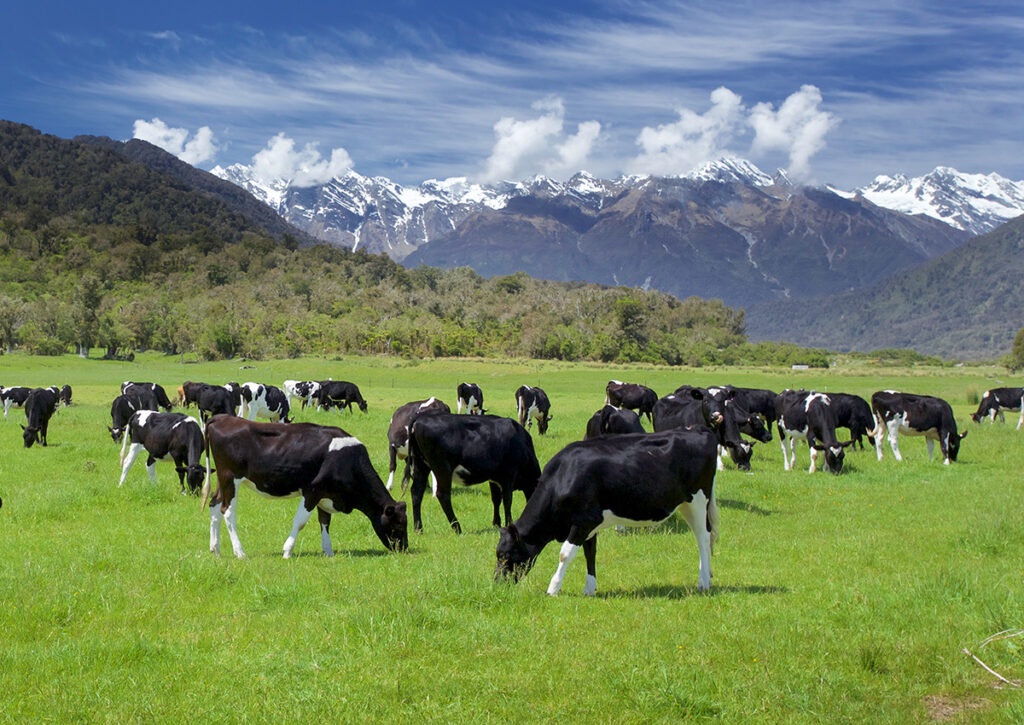
Livestock methane is one of agriculture’s biggest climate challenges.
Every year, ruminant animals such as cattle and sheep release vast amounts of methane – a greenhouse gas with 28–36 times the warming impact of carbon dioxide over a 100 year period.
This makes reducing methane the fastest and most effective way to slow global warming in the next 25 years (according to UN Environment).
Unlike feed additives, which aren’t effective for extensive farming systems, our approach reduces methane directly in grazing systems, which are responsible for most of the global emissions.
Tackling methane from agriculture, alongside efforts to cut carbon dioxide, is critical to protecting the planet.
OUR SOLUTION
Our vaccine is designed to significantly reduce methane emissions from cattle and other ruminant livestock – giving farmers the freedom to farm productively while meeting the growing demand for climate-friendly food.
Methane is produced during ruminant animal digestion in a part of the stomach called the rumen. Here, microbes known as methanogens help break down plant material, releasing methane gas as a by-product, which is then expelled into the atmosphere.
Our vaccine trains the immune system to produce antibodies that suppress these microbes, cutting emissions without affecting animal health or digestion.
Safe, scalable and affordable, it offers farmers a practical way to reduce livestock methane at scale and boost productivity – strengthening climate outcomes, farm sustainability, and food security.
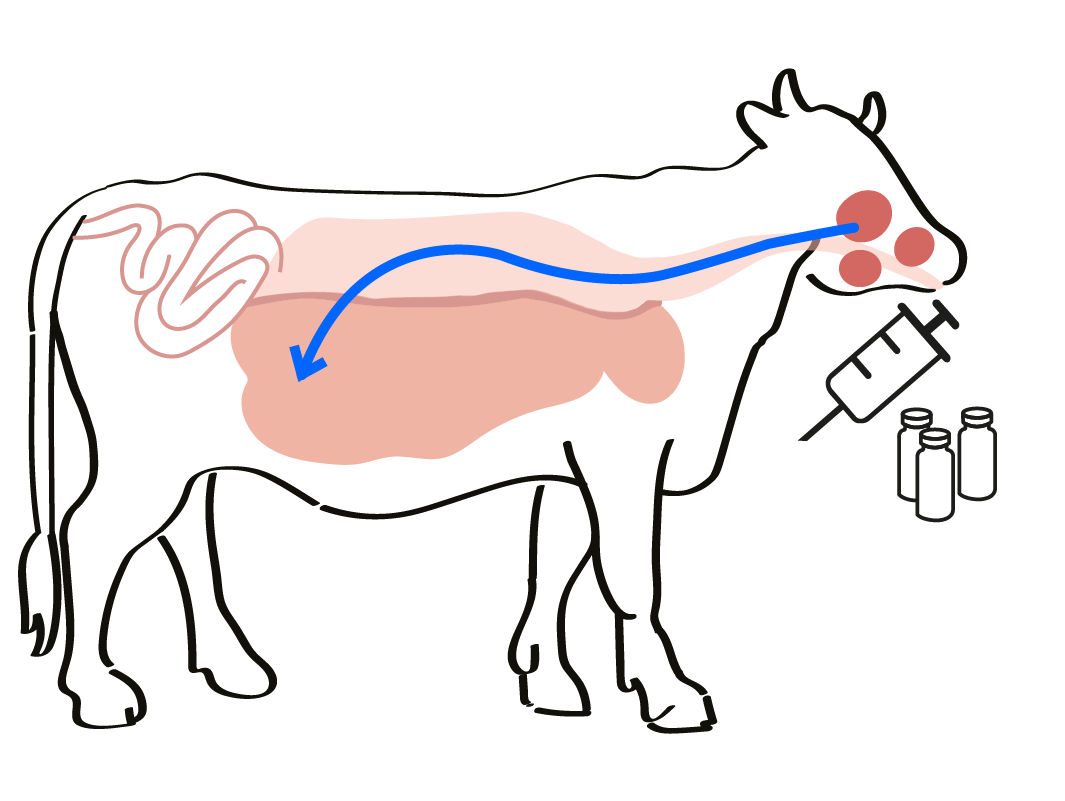
The vaccine produces antibodies in saliva which are transported to the rumen
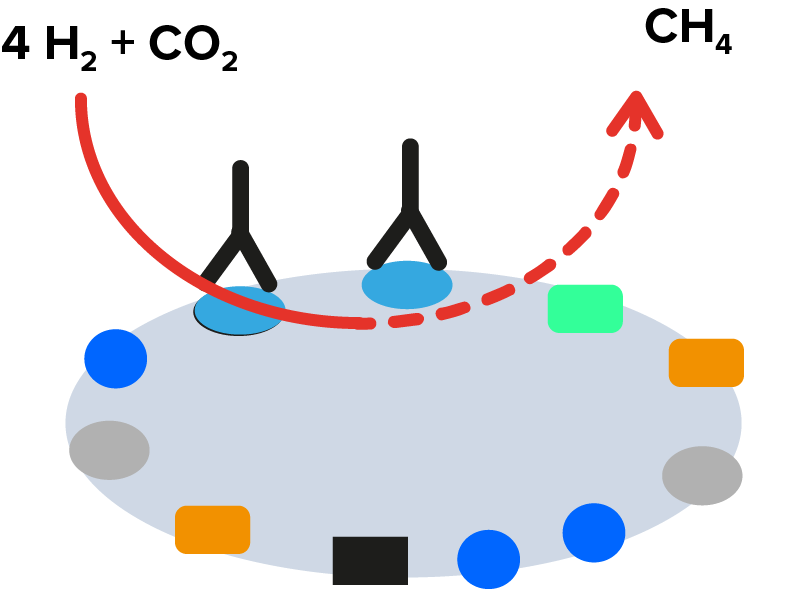
Antibodies bind to the targets on the surface of the methanogens in the rumen
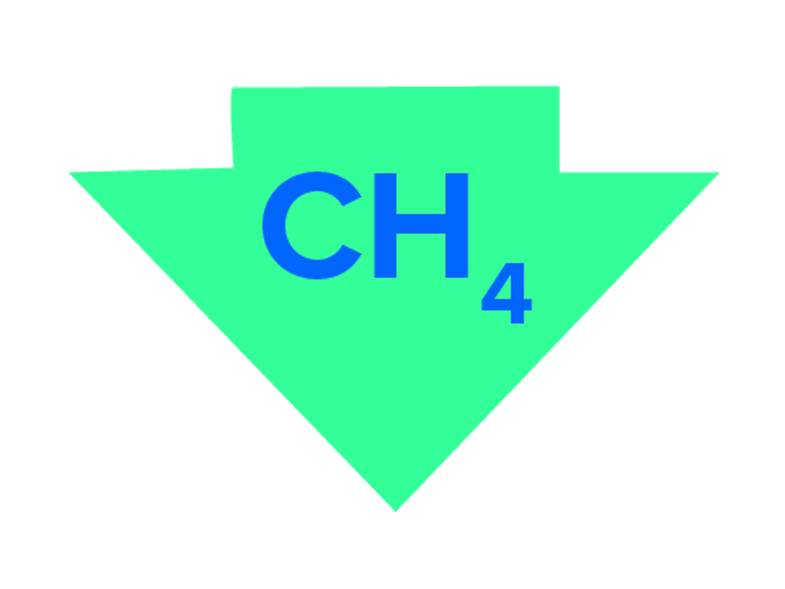
Antibodies reduce methanogen growth in the rumen and the amount of methane emitted
OUR STORY
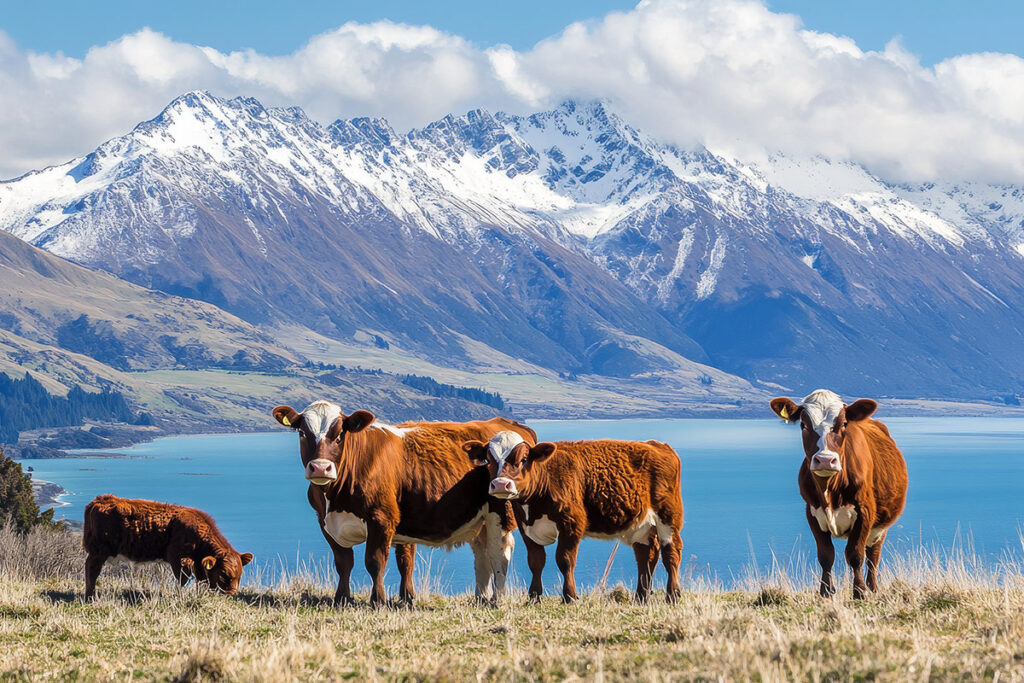
New Zealand has a proud legacy of innovation in this space. For more than 15 years, our scientists have been working on a vaccine to significantly reduce methane production in ruminant animals, placing us at the cutting edge of this technology.
Breakthroughs pioneered by our scientists:
- Harnessing the immune system of ruminants to target methanogens and reduce methane production
- Producing long-lived antibodies through vaccination that can be boosted when needed
- Demonstrating that methanogen populations in the rumen are similar worldwide
- Showing vaccination can generate enough antibodies in saliva to coat all methanogens in the rumen
- Proving antibodies remain active long enough to be effective
- Inducing antibodies that bind to highly specific methanogen protein targets
- Directing antibody responses to key targets on methanogen surfaces
TIMELINE
TEAM
The innovation at Lucidome Bio comes from our team, our leaders, and our advisors. Together we represent unparalleled expertise across ruminant microbiology, immunology, and technology commercialisation. Backed by some of the biggest names in agritech, Lucidome Bio is redefining the future of reducing methane emissions and boosting productivity from ruminant animals.

David Aitken, CEO

Bridgit Hawkins, Chairperson

Dr Neil Wedlock, Principal Scientist
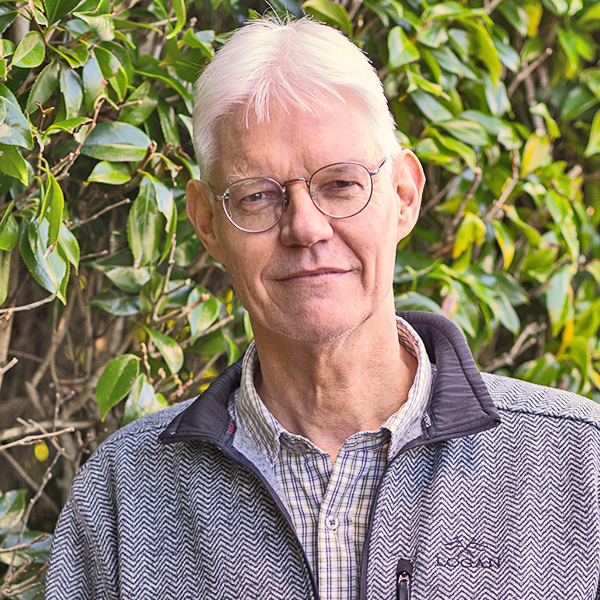
Dr Peter Janssen, Principal Scientist










NEWS
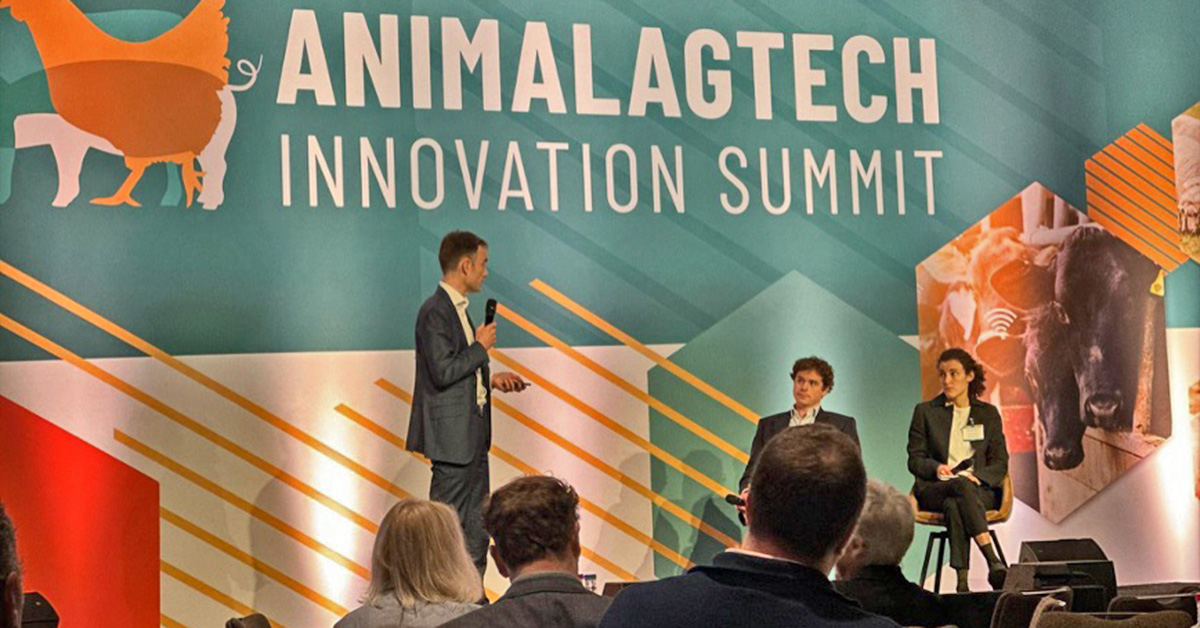
Lucidome Bio faces the ‘Shark Tank’ at Animal AgTech Innovation Summit Europe
At the Animal AgTech Innovation Summit Europe held in Amsterdam, Lucidome Bio’s David Aitken took the stage as one of five startups in the event’s Innovation Showcase to pitch our methane reducing, productivity enhancing livestock vaccine to an audience of investors, innovators and animal health leaders.
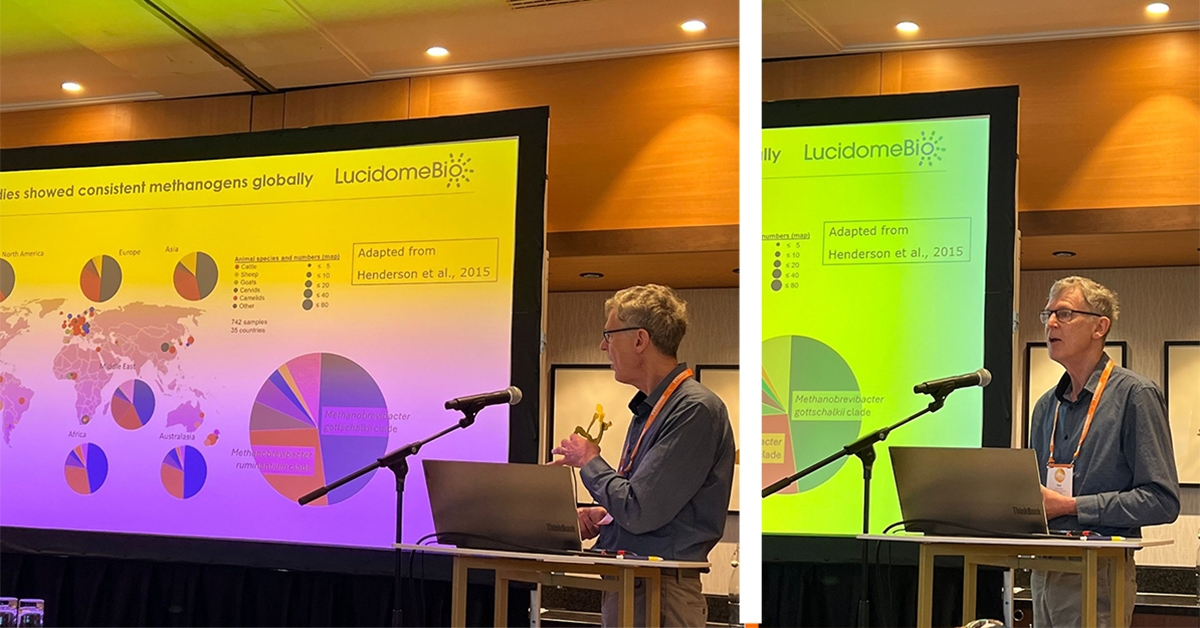
Shortening the path from lab to field: Lucidome Bio brings methane vaccine research to IVIS 2025
The International Veterinary Immunology Symposium (IVIS 2025), held in Vienna last month, brought together global researchers exploring the next frontiers in animal health.
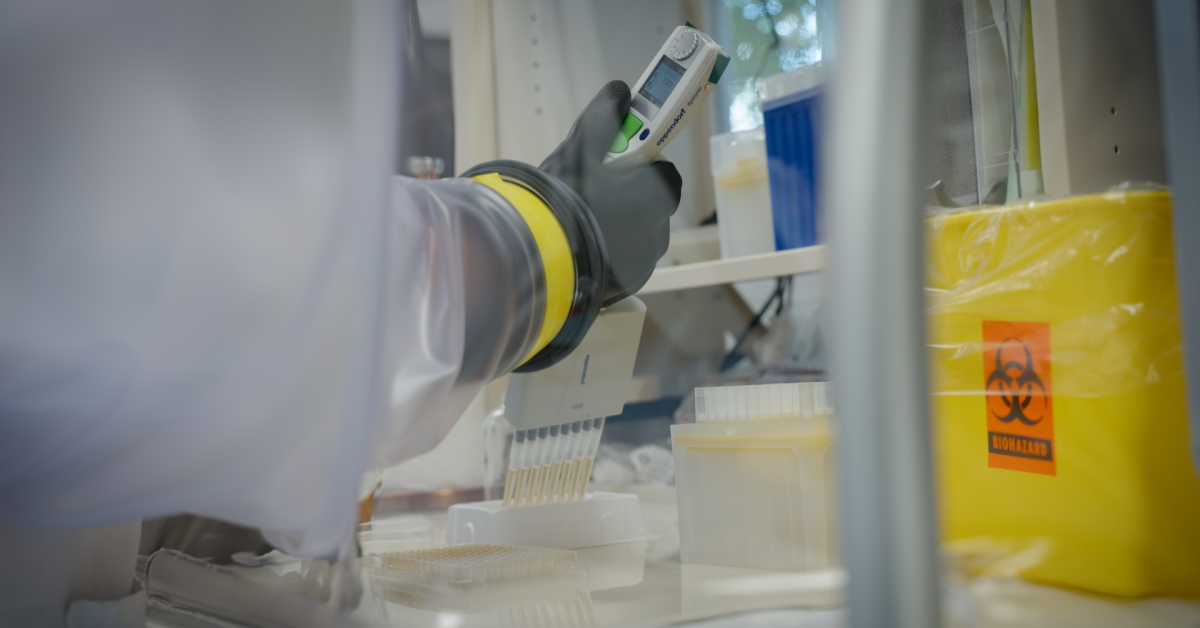
S&P Global: “Lucidome Bio targets affordable, effective methane reduction vaccine”
In an S&P Global story published this month, Lucidome Bio’s CEO David Aitken spoke with Head of Animal Health Joseph Harvey about Lucidome Bio’s plans to deliver an affordable, pasture-suited methane reduction vaccine for ruminants, offering a viable solution for emissions reduction in grazing systems which feed additives are not able to serve.
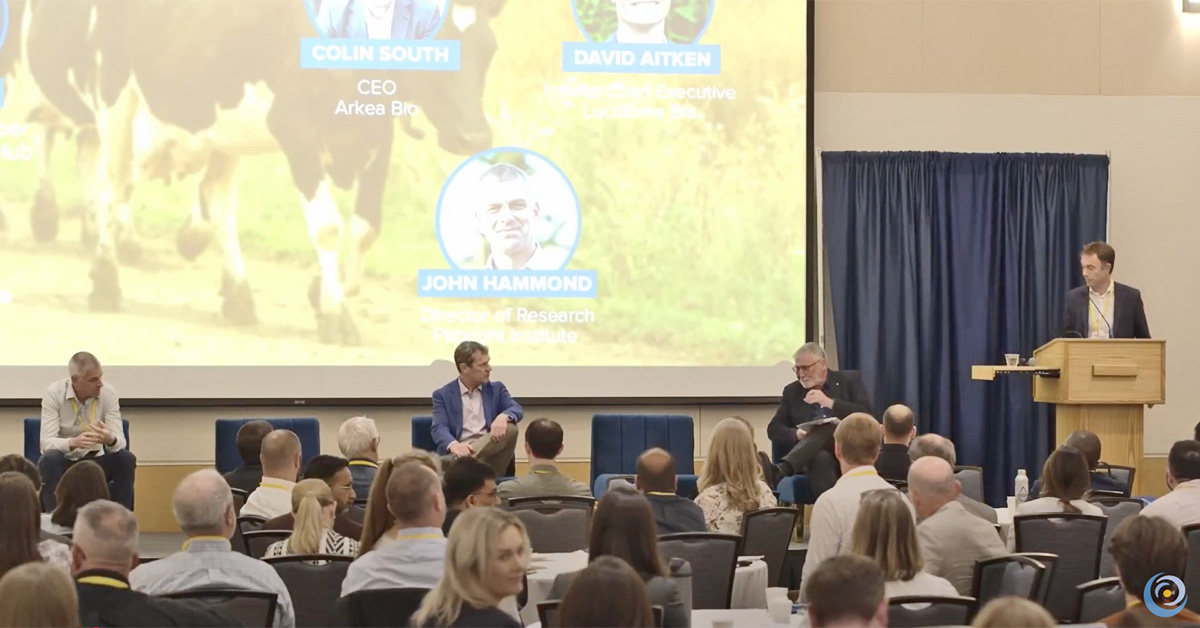
From microbes to markets: What it takes to deliver methane vaccines for livestock
Reducing methane emissions from animal agriculture is no longer a hypothetical. At the 2025 State of the Science Summit: Reducing Methane from Animal Agriculture, held at UC Davis in California, one session in particular signalled how far we’ve come and how far we still need to go.

Lucidome Bio names seasoned chairperson as international momentum around its methane vaccine builds
Lucidome Bio has appointed agricultural technology commercialisation expert Bridgit Hawkins as Chairperson, strengthening its governance bench as the company advances its breakthrough methane-reducing vaccine towards global commercial development.
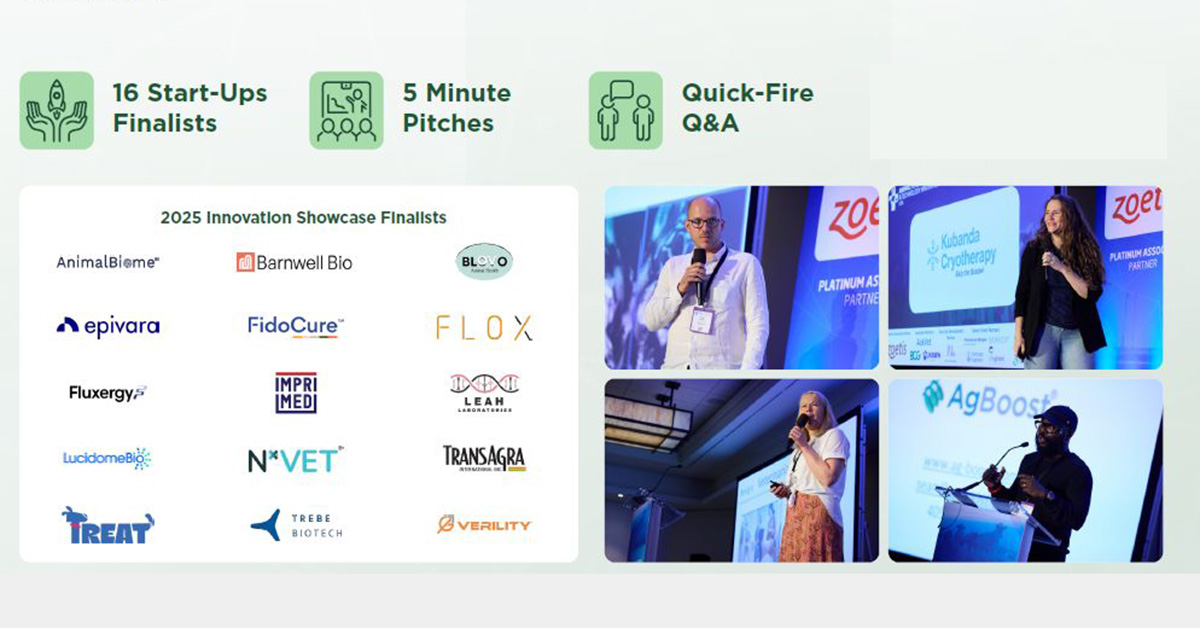
NZ’s methane reducing vaccine selected as global finalist for innovation showcase in Boston, USA
New Zealand agricultural biotech company Lucidome Bio has been selected as one of just fourteen global finalists to pitch at the Animal Health, Nutrition and Technology Innovation USA event this week in Boston.
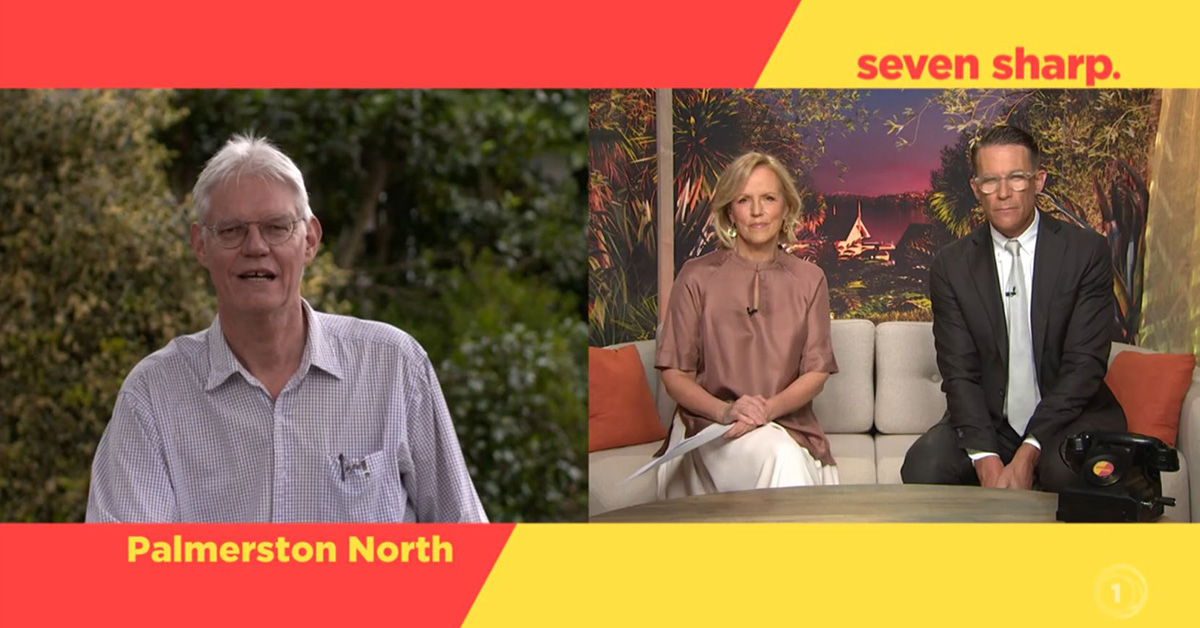
Lucidome Bio featured on national TV
Lucidome Bio was proud to be featured on TVNZ’s popular Seven Sharp evening news segment showcasing the groundbreaking work being done to develop a world-first vaccine with the potential to reduce methane emissions from ruminant animals.
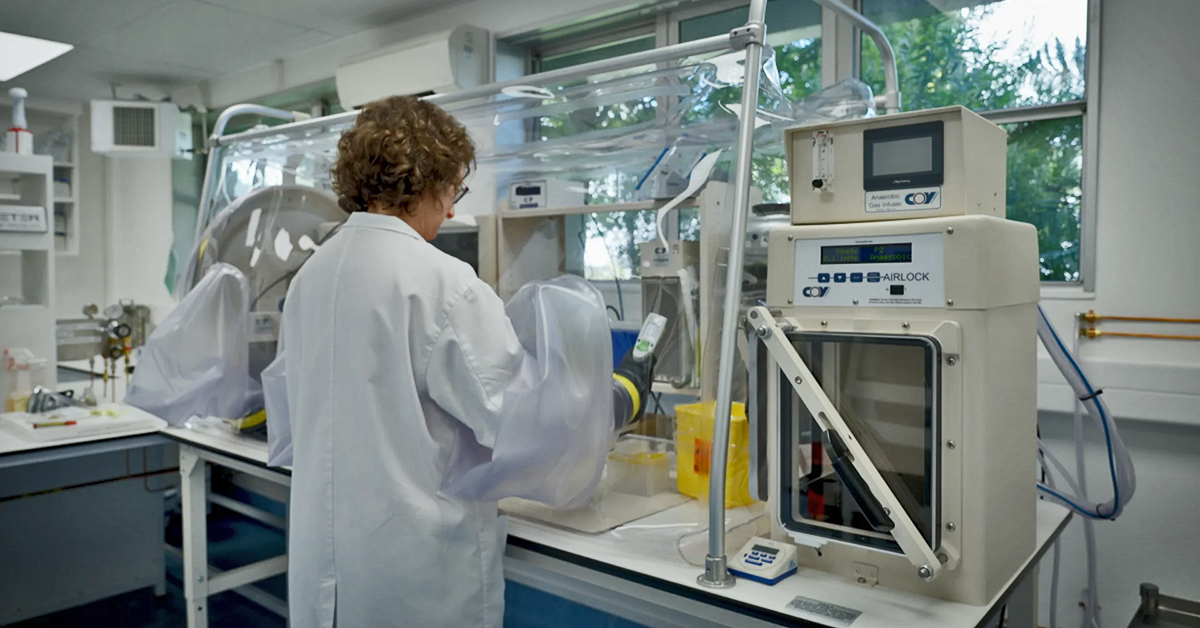
New Kiwi Methane Venture Receives $13.5M Boost
The two key players working to provide Kiwi farmers with tools to reduce emissions are stepping up their support of a methane vaccine with multimillion-dollar funding for new company, Lucidome Bio.
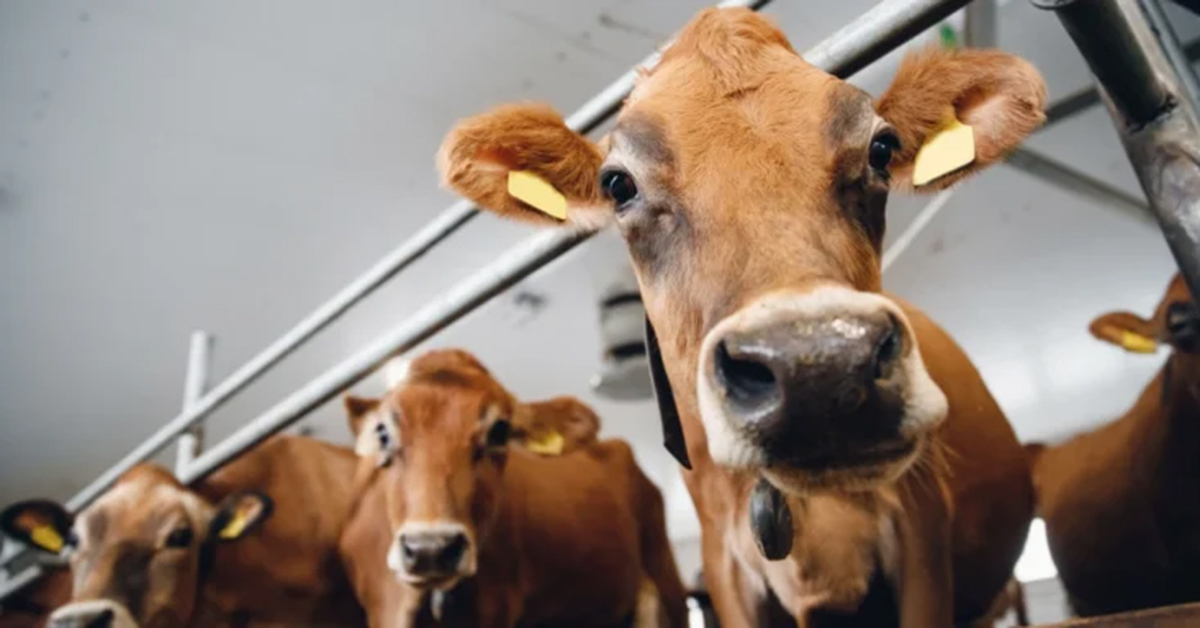
New Zealand scientists welcome overseas funding for livestock methane vaccine
The Bezos Earth Fund has announced it will fund an international consortium which will build scientific evidence for a vaccine that can reduce the number and activity of methane-producing microbes in a cow’s stomach.
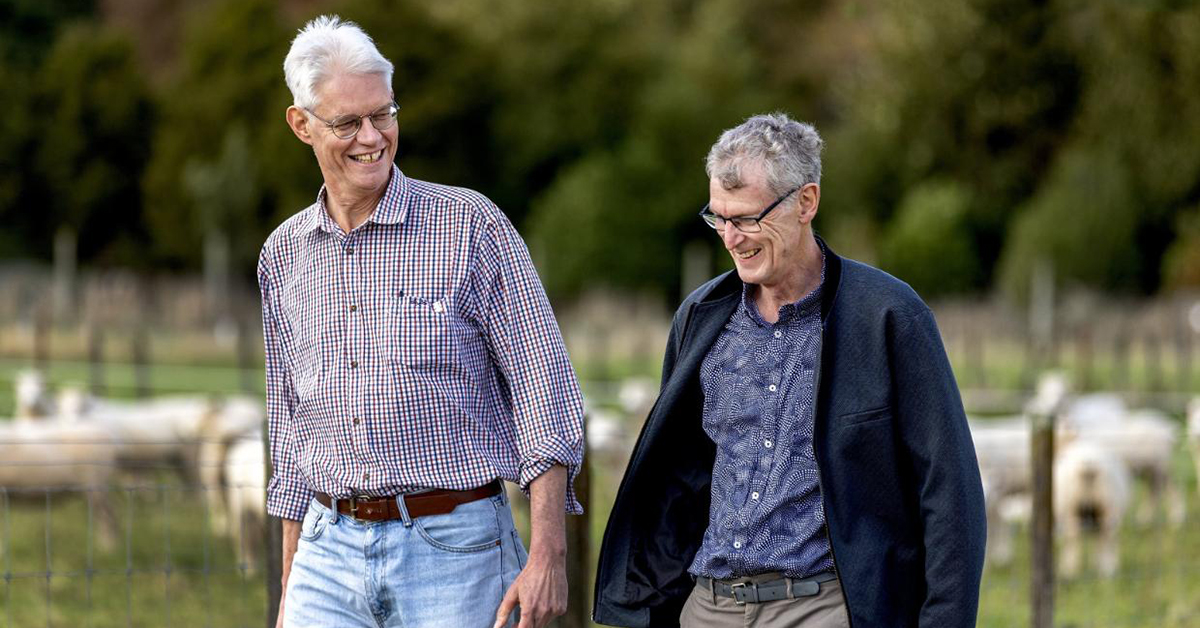
Is a methane vaccine New Zealand’s climate silver bullet?
The Climate Change Commission’s latest advice says a methane vaccine could be available by 2035. Nikki Macdonald investigates the quest to achieve one of farming’s great hopes, and asks whether it’s even necessary.
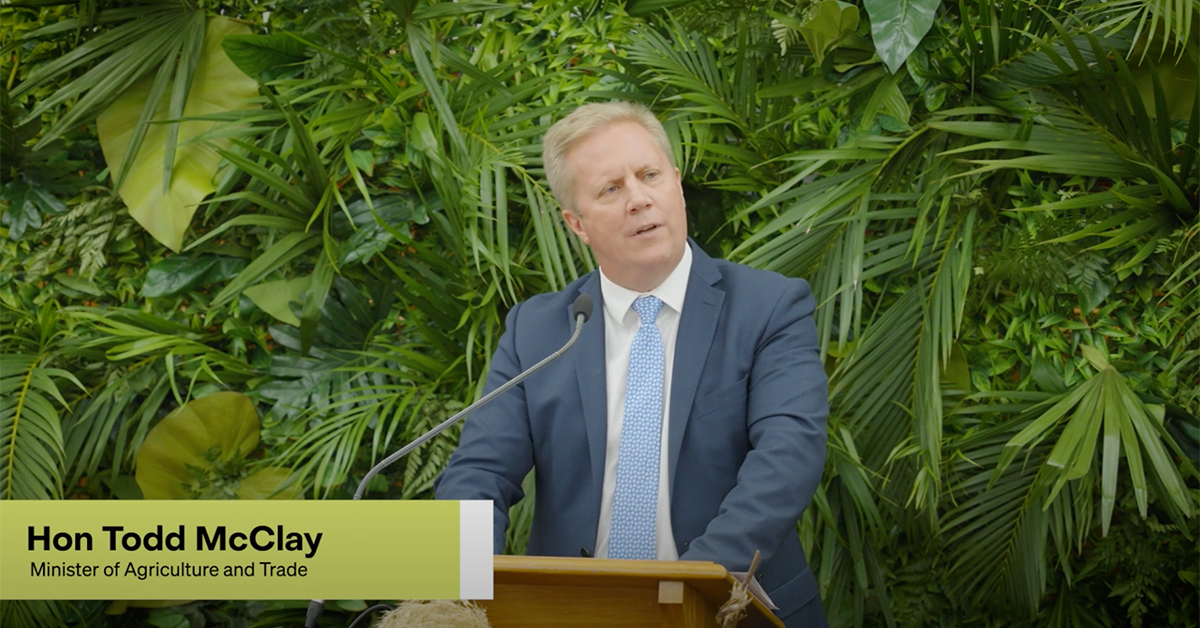
New methane vaccine venture to be established
AgriZeroNZ is establishing a new venture to accelerate the development of a methane vaccine for ruminant animals. Kiwi scientists from AgResearch have been pioneering research to develop a methane vaccine for more than 15 years,…
